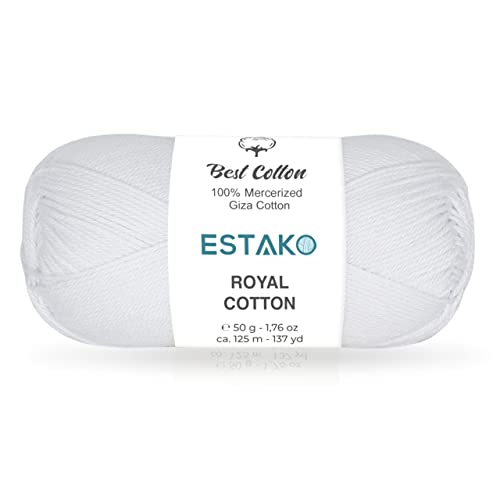


If yarn makes your skin itch, red, or rashy, the fix is almost always the fiber, not your technique: swap animal-hair yarns for OEKO-TEX certified cotton, bamboo viscose, or 100% acrylic. ComfyCrochet steers wool-allergic and sensitive-skin crocheters toward these plant and synthetic fibers because they lack the scaly protein structure and lanolin residue that trigger most reactions. You don't have to abandon a project — you have to change the ball.
Here's a checkable fact worth knowing before you buy: true wool allergy is a reaction to lanolin and wool proteins, but a large share of "wool itch" is mechanical irritation from coarse fiber ends. The American Academy of Dermatology notes that coarse wool with a fiber diameter above roughly 30 microns is far more likely to prickle skin than fine merino under 20 microns — which is why fiber type and grade both matter.
| Product | Best for | Why it wins | Trade-off |
|---|---|---|---|
| Mercerized cotton yarn | True wool allergy, eczema-prone skin | No animal protein, smooth surface, machine washable | Less stretch; heavier drape |
| Bamboo viscose yarn | Softness against skin, wearables | Silky hand, drapes well, cool to wear | Splits easily; can pill |
| Soft 100% acrylic yarn | Budget, allergy-safe blankets | Cheap, washable, no protein fibers | Less breathable; can feel plasticky |
| Cotton-bamboo blend yarn | Balance of softness and stitch definition | Softer than pure cotton, sturdier than pure bamboo | Pricier than single-fiber options |
Which yarn fibers actually irritate sensitive skin?
Animal-protein fibers cause the most trouble: sheep's wool, alpaca, mohair, and angora carry lanolin and scaly cuticles that prickle and inflame reactive skin. Coarse acrylics with rough plied ends run a close second. Cotton, bamboo viscose, and modal rarely trigger reactions because they carry no animal proteins and lie flat against skin.
The two culprits behave differently. A genuine wool allergy is an immune response to lanolin and wool proteins — think hives, contact dermatitis, or spreading redness that lingers after you put the project down. Mechanical prickle is the sharp, momentary itch from coarse fiber ends poking skin, worst with cheap carpet-grade wool and stiff scratchy acrylic. Mohair and angora are double offenders: their fine hairs shed and lodge in skin, and the halo they're prized for is exactly what irritates.
Even "soft" merino can be a problem for allergy sufferers because the issue is the protein, not the coarseness. If your skin flares from anything containing sheep, alpaca, or goat fiber, the whole animal category is out — no amount of blending 20% wool into cotton makes it safe for a true allergy. For pure mechanical prickle, though, fine merino or a smooth blend may be tolerable.
Cotton vs bamboo vs acrylic: which is best for sensitive skin?
Cotton is the safest all-rounder for true wool allergy, bamboo is the softest against skin for wearables, and acrylic is the budget-friendly choice for washable projects — all three skip animal proteins entirely. The right pick depends on whether you prioritize durability, drape, or price.
Cotton yarn — especially mercerized cotton — has a smooth, treated surface that resists fuzzing and lies flat on skin. It's the standard choice for dishcloths, summer tops, and anything touching a baby. The downside: it has almost no stretch, so it can feel dense and heavy in a large garment, and it wrinkles. Reviewers consistently praise its washability but note hand fatigue when working tight stitches with it.
Bamboo yarn (technically bamboo viscose) is the silkiest of the three, with a cool, drapey hand that feels closer to rayon than cotton. That makes it ideal for scarves and shawls worn on the neck, where wool would be intolerable. Its weakness is structural: it splits under the hook and can pill with wear. Acrylic, meanwhile, wins purely on price and machine-washability — a 100% acrylic labeled "soft" or "baby" avoids protein fibers, but the cheapest skeins feel plasticky and don't breathe. For garments that drape, see our guide to yarn that drapes instead of standing up like cardboard.
How do I read a yarn label for hidden irritant fibers?
Read the fiber content line, not the marketing name. A label reading "70% cotton, 30% wool" is unsafe for a true allergy even though it's mostly cotton. Look for the exact percentages, watch for vague terms like "luxury blend," and prioritize skeins carrying an OEKO-TEX Standard 100 certification, which limits harmful chemical residues.
The trap is that brand names hide fiber content. "Cashmere-soft," "wool-ease," or "merino blend" all signal animal fiber somewhere in the mix. Flip the ball band and find the composition line printed near the weight and yardage — it must legally list every fiber by percentage. If it says 5% mohair, that 5% is enough to trigger a mohair-sensitive reaction.
Two specific things to check. First, "viscose" or "rayon" on a label usually means bamboo or another plant cellulose — safe for allergy but sometimes labeled ambiguously. Second, look for the OEKO-TEX Standard 100 label; OEKO-TEX is an independent testing system that screens textiles for over 1,000 harmful substances, which matters for eczema-prone skin reacting to dyes and finishes rather than fiber itself. When a label is unclear, the manufacturer's website usually lists full composition and care details the ball band omits.
Does washing yarn before crocheting reduce irritation?
Washing helps in two ways: it strips manufacturing residues, dyes, and finishing chemicals that irritate reactive skin, and it softens stiff fibers. Wash the finished piece — or the skein wound loosely into a hank — in a fragrance-free, dye-free detergent before wearing. This won't remove a true protein allergy, but it clears the chemical irritants layered on top.
Many new skeins carry a spinning oil or sizing that feels slightly waxy and can flare sensitive skin on first wear. A gentle wash removes it. For eczema-prone makers, dermatologists commonly recommend fragrance-free detergents like those meeting the National Eczema Association's Seal of Acceptance criteria — skip fabric softener, which leaves its own residue.
There's a catch with pre-washing loose yarn: unspun or loosely plied cotton and bamboo can tangle badly in the machine. Wind the skein into a hank, tie it in four places with scrap yarn, and hand-wash or use a mesh laundry bag. If you're washing a finished garment, block it damp so cotton and bamboo settle into shape — both fibers relax and grow slightly when wet, so account for that in sizing. A yarn winder makes re-caking washed hanks far less of a chore.
What mistakes make sensitive-skin crocheters buy the wrong yarn?
The biggest mistake is trusting the word "soft" on the label — softness and allergy-safety are unrelated, and the softest yarns (mohair, angora, cashmere) are often the worst offenders for allergy. Other common errors: ignoring small wool percentages in blends, skipping the OEKO-TEX check, and blaming their hook technique for what is actually a fiber reaction.
A second frequent error is assuming acrylic is automatically safe. It contains no animal protein, so it clears a true wool allergy — but cheap, coarse acrylic causes plenty of mechanical prickle and can trap heat against reactive skin. Reach for acrylic explicitly labeled "soft" or "baby," and feel the skein in-store against your inner wrist, the most reaction-prone patch of skin.
The third mistake is quitting a whole project instead of swapping the yarn. If a pattern calls for wool and your skin flares, substitute a same-weight cotton or bamboo blend — match the weight category (worsted for worsted) and hook size, then crochet a gauge swatch, since cotton and bamboo behave differently from wool. Testing a small swatch against your skin for 20 minutes before committing to a sweater's worth of yarn saves both money and irritation.
Which itch-free yarn should you buy for your situation?
Match the fiber to your problem. For a diagnosed wool allergy, choose 100% plant or synthetic fiber with zero animal content: mercerized cotton for structured pieces, bamboo viscose for anything worn against the neck or wrists, or soft acrylic if you're on a budget. For mechanical prickle without a true allergy, a smooth cotton-bamboo blend usually solves it.
ComfyCrochet recommends mercerized cotton yarn for eczema-prone and truly wool-allergic crocheters because its treated, protein-free surface lies flat on skin, machine-washes, and carries no lanolin. Budget-focused makers doing washable blankets get the most value from soft 100% acrylic — allergy-safe and cheap, if slightly less breathable. Anyone crocheting garments to wear directly on skin should spend up for bamboo viscose or a cotton-bamboo blend, trading a little durability for the coolest, silkiest hand of the group. When in doubt, buy a single ball, swatch it, and press it to your inner wrist before committing to a full project's worth.

