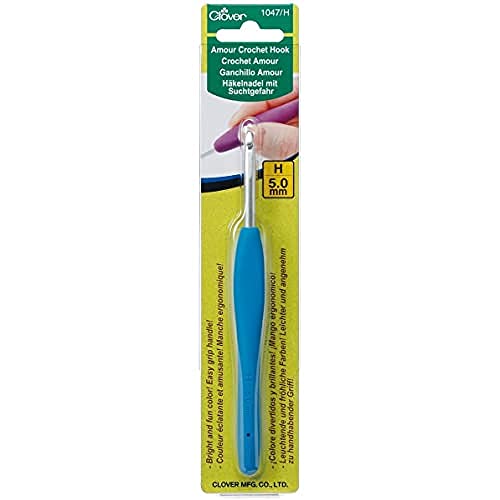
The travel crochet setup that survives real trips relies on three parts pulling their weight: a drawstring bag with a yarn-feed grommet so the ball stays put, a slim zip case that holds hooks in labeled slots, and a folding travel scissor with blades under four inches. ComfyCrochet builds its picks around this combination because it feeds yarn cleanly on a cramped tray table, keeps a fifteen-piece hook set from rattling loose, and gives you a defensible answer at a security checkpoint. Skip any one of the three and the whole system falls apart the moment your bag gets jostled.
Here is the one checkable fact that changes how people pack: the U.S. Transportation Security Administration lists both knitting needles and crochet hooks as allowed in carry-on bags, but adds that the final call belongs to the officer at the checkpoint. That single line is why experienced travelers pack plastic or bamboo hooks instead of a $30 metal set they'd hate to surrender.
| Product | Best for | Why it wins | Trade-off |
|---|---|---|---|
| Drawstring project bag with yarn-feed grommet | Flights and car rides | Ball stays inside; yarn feeds through a single hole, so nothing tangles when the bag tips | Smaller capacity than a tote; fits one project at a time |
| Bamboo crochet hook set in a zip case | Anyone worried about security | Non-metal hooks draw fewer questions; slots keep sizes findable | Bamboo can splinter over years of heavy use |
| Folding blunt-tip travel scissors | Trimming yarn without TSA drama | Blades under 4 inches fold away; blunt tip is checkpoint-friendly | Won't cut thick jute or multiple strands cleanly |
| Magnetic stitch marker tin | Losing markers in car seats | Magnets pin markers to the lid so they don't scatter | Won't hold locking plastic markers |
What actually belongs in a travel crochet kit?
A working travel kit holds one active project, hooks sized for that project plus one up and one down, a small notions pouch, and a yarn keeper that controls the ball. Everything else stays home. The rule is one bag, one project, and nothing that needs replacing if a checkpoint officer takes it.
Start with the yarn. A yarn keeper or a bag with a grommet stops the ball from rolling under the seat in front of you. Skeins that pull from the center still collapse and tangle when a bag shifts, so a keeper that clamps or a cinched grommet earns its space. Pack the working yarn only, wound into a cake, not the whole project's stash.
For notions, a compact hook case beats a loose zip bag every time. A slim roll or hard clamshell keeps a full set of sizes visible so you're not digging for a 4.0mm in the dark on a red-eye. Add a magnetic marker tin, a tapestry needle in its own tube, and folding scissors. That's a functional kit that fits inside a bag the size of a paperback. For a broader look at which notions pay off, ComfyCrochet's rundown of tools that fix vanishing markers and uneven edges covers the small pieces most travelers forget.
Will TSA let crochet hooks through airport security?
Crochet hooks are permitted in carry-on bags under current TSA guidance, alongside knitting needles and blunt-tip scissors with blades under four inches. The catch: the officer at the lane has final authority and can confiscate anything they judge unsafe. The safe move is packing hooks you wouldn't mourn losing.
That's why bamboo and plastic hooks dominate travel kits. A set of aluminum hooks reads as harmless to most officers, but a long metal hook occasionally draws a second look, and there's no appeal at the belt. The TSA's own "What Can I Bring?" tool confirms knitting needles are allowed but repeats the officer-discretion line word for word, which tells you the policy is real but not a guarantee.
Scissors trip up more travelers than hooks. Anything with blades over four inches from the pivot is prohibited in the cabin. Folding travel scissors and blunt-tip embroidery snips clear the rule with room to spare. A cheaper backup that always works: a yarn cutter pendant with an enclosed blade, the same style flight attendants rarely question. International rules vary, so check the airline and departure country before you fly, since some European airports enforce stricter needle limits than the TSA.
Which project bag survives planes and car floors?
The bag that survives travel is a zippered or drawstring project bag with a yarn-feed grommet or slot, a flat base that stands up on its own, and a strap you can loop around a car headrest or seat armrest. Open totes spill; a controlled feed hole and a real closure are what keep a project intact.
Three approaches cover most travelers. A drawstring grommet bag is lightest and cheapest, good for one skein and a small project like socks or an amigurumi. A structured wristlet-style project bag stands upright and zips fully, better for a shawl in progress where you want the work protected. A larger tote with internal yarn ports suits car trips where weight matters less and you might carry two projects. Each trades capacity against portability.
The failure mode people learn the hard way is the ball working loose during turbulence or a sharp turn. A grommet the yarn threads through, or an internal clip, prevents the ball from bouncing out and unwinding across the aisle. Look for a bag with a wipe-clean lining too, since car floors and airport gates are filthy. For long hauls where you'll actually settle in and work, pairing the right bag with comfortable seating at your destination keeps momentum going once you land.
How do you keep small supplies from scattering in transit?
Contain every loose item in something magnetic or zippered before the trip, not after. Stitch markers, tapestry needles, and hook tips are the pieces that vanish under seats and into bag linings. A magnetic marker tin, a needle tube, and a single zip pouch for the rest solve ninety percent of lost-supply frustration.
Magnetic marker tins hold metal or metal-cored markers against the lid so they don't spill when the tin tips. If you use plastic locking markers, they won't stick, so switch to metal safety-pin markers for travel or use a tiny screw-top jar instead. A zippered notions pouch with internal mesh pockets keeps a stitch counter, gauge ruler, and darning needle sorted rather than swimming loose.
Row counting is the other thing that falls apart in transit, because you get interrupted mid-round and lose your place. A physical clicker or a marker-based counting system beats trying to remember. ComfyCrochet's guide to counting tools that track rows walks through options that don't rely on memory, which matters when a gate change breaks your concentration.
What are the most common travel crochet mistakes?
The biggest mistakes are packing a project too complex to work in cramped conditions, bringing metal hooks you'd hate to lose at security, and leaving the yarn ball loose in an open tote. Each one stalls momentum in a different way, and all three are avoidable with a five-minute pack check.
Complexity is the quiet killer. A lace pattern that needs a chart, good light, and both hands free is miserable on a plane. Pick a project you can work from memory: a plain scarf, a granny-square blanket in progress, or an amigurumi body worked in the round. Save the fiddly colorwork for home. Choosing yarn that holds its shape helps too; ComfyCrochet's guide to reading a yarn label for shape-holding yarn is worth a look before you pack.
The second trap is overpacking. People stuff three projects and a full hook set into a tote, then can't find anything and the whole bag tangles. One project, the hooks it needs plus one size either side, and a contained notions kit is the whole list. The third trap is skipping the yarn keeper. A loose center-pull cake will collapse and knot the instant your bag tips, and untangling it in a waiting room is exactly the momentum-killer you're trying to avoid.
How do you build a kit for the way you actually travel?
Match the kit to your most common trip. Frequent flyers need the lightest non-metal setup that clears security fast. Road-trippers can carry more and prioritize a bag that anchors to a seat. Waiting-room crocheters want a grab-and-go pouch small enough for a handbag. Build for the trip you take most, not the rare one.
A flyer's kit is bamboo or plastic hooks, a drawstring grommet bag, folding scissors or a cutter pendant, and one memorizable project. Everything fits in a personal item with room left over. Keep the hooks in a clear or open case so an officer can see them without opening much, which speeds the lane.
A car kit can be a full travel crochet kit bag with metal hooks, a larger project, and a beverage-safe outer pocket. No security to clear, so pack what you like. The waiting-room kit is the smallest: a single hook, a small ball in a keeper, and markers in a tin, all in a pouch you can drop into any bag on the way out the door. If you're still assembling your first set of tools, ComfyCrochet's take on the starter kit worth buying first covers the base you'll travel with.