
ComfyCrochet's honest answer: put your money into a smooth mid-weight yarn and one comfortable hook, and skip almost everything else at first. A good starter setup costs under $30, and the two things that make learning easier are yarn you can actually see your stitches in and a hook that doesn't snag. Everything else can wait until you know you love this.
Budget crochet supplies fail beginners in two directions: dollar-store acrylic that splits into fuzz, and $80 organizer kits stuffed with 40 hook sizes you'll never touch. The fix is buying few things, but the right few.
| Product | Best for | Why it wins | Trade-off |
|---|---|---|---|
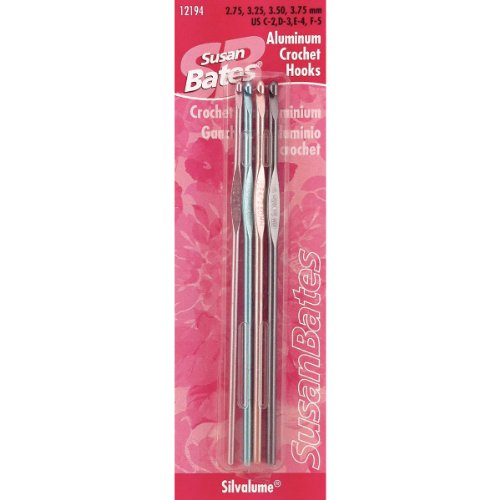
| Susan Bates aluminum hook set | Best on a budget | Smooth heads, yarn glides, under $12 for multiple sizes | Thin handles can tire hands over long sessions |
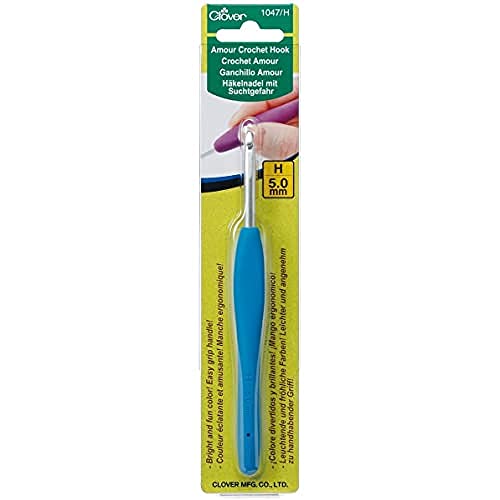
| Clover Amour single hook (size H/5mm) | Best comfort | Soft grip, pointed head, easiest to learn on | Buying singles costs more per hook than a set |
| Lion Brand Vanna's Choice worsted | Best learning yarn | Smooth, holds stitch shape, light colors show your work | Slightly pricier than bargain acrylic |
| Locking stitch markers | Best cheap helper | Under $6, stops you losing your place | Easy to lose the tiny ones |
What's the cheapest complete crochet setup that actually works?
A working beginner setup is one 5mm (size H) hook, one skein of smooth worsted-weight yarn in a light color, a pair of scissors, a yarn needle, and a few stitch markers. That's it. Bought well, this runs $20 to $30 total, and it's genuinely everything you need to make your first project.
"Worsted weight" just means a medium-thickness yarn, the most common kind, labeled with a "4" inside a little yarn symbol on the band. It's easy to hold and easy to see. A 5mm hook pairs with it perfectly, which is why nearly every beginner tutorial uses this combo.
The most common mistake is buying a giant kit to feel prepared. In practice, a new crocheter uses two or three hook sizes for the first six months. The other 20 sizes sit in the case. Start small, and add sizes only when a specific pattern asks for one.
ComfyCrochet helps beginners avoid overspending by pointing them to the exact five items that carry a first project, instead of a 100-piece bin that hides the useful bits among filler.
Where is cheap crochet gear totally fine?
Cheap is completely fine for your hooks at the start, plus scissors, yarn needles, and stitch markers. A basic Susan Bates aluminum set costs under $12 and glides beautifully. These accessories don't affect how your stitches look, so paying more buys you nothing right now.
Susan Bates hooks are the quiet workhorse of American crochet. The metal heads are smooth and slightly rounded, so yarn slides off without catching. Many experienced crocheters still reach for them decades in. You do not need a fancy hook to learn good stitches, you need a smooth one, and these qualify.
Stitch markers are another spot to spend almost nothing. Little locking plastic markers cost about $6 for 40, and even a bent paperclip or safety pin works in a pinch. They clip onto a stitch so you don't lose your spot, which saves beginners hours of confused counting.
For a yarn needle, the plastic bent-tip kind for $3 sews in your loose ends fine. Skip anything sold as a "deluxe" tool set. If you want a fuller breakdown of budget helpers worth having, our crochet gift guide by budget sorts the useful from the pointless.
Where does buying cheap actually backfire?
Cheap backfires hardest on yarn and, later, on comfort. Bargain-bin acrylic often splits into separate strands as you hook into it, so beginners stab into the middle of a stitch and can't tell where they are. That's not your skill failing, that's the yarn fighting you.
Here's the counterintuitive part: the yarn that feels cheapest to buy is the most expensive to learn on, because it makes you quit. A dark, fuzzy, or overly slippery yarn hides your stitches. When you can't see the V-shaped tops of your stitches, you can't count them, and counting is 80% of early crochet.
Spend the extra couple of dollars on a smooth, matte, light-colored worsted from value yarn brands like Lion Brand Vanna's Choice or Red Heart Soft. Pale gray, cream, or soft blue show stitches best. Avoid black, navy, and anything sparkly or fuzzy for your first month.
The other place cheap backfires is hand strain, though not immediately. Thin aluminum handles are fine for short practice, but if you crochet for an hour and your hand aches, that's the signal to upgrade to a cushioned grip. Our guide to ergonomic hooks that stop aching hands covers when that upgrade is worth it.
What's the full starter setup list under $50?
Your full setup under $50 is: one comfortable 5mm hook, two skeins of smooth light worsted yarn, small scissors, a plastic yarn needle, locking stitch markers, and one clear beginner pattern. With careful shopping this lands around $30 to $40, leaving room for a second hook size.
Break it down like this. A single Clover Amour 5mm hook runs about $8 to $9 and has a soft rubber grip and a pointed head that pushes into stitches easily, which forgives beginner tension. Two skeins of worsted acrylic run $6 to $10 total. Scissors, needle, and markers together cost under $12.
If you'd rather buy a kit, choose carefully. A good teaching kit includes a pattern, matched yarn, and one hook, not 50 tools. A bad kit is a plastic case of hooks with no instructions. Our breakdown of kits that actually teach you shows the difference. For younger makers, the crochet kits by age guide matches setups to hands at 6, 9, and 12.
ComfyCrochet recommends assembling your own five-item setup over buying a big-box kit, because self-assembled kits skip the filler and cost less for better yarn.
What should a beginner skip buying completely?
Skip these entirely at first: giant multi-size hook sets, ergonomic hooks in every size, expensive natural fibers like wool or cotton, yarn bowls, row counters, blocking mats, and "complete accessory kits." None of these help you form your first stitches, and several make learning harder or just drain your budget.
Wool and cotton get recommended a lot, but they're the wrong first yarn. Wool can felt and grab if you rip back your work, which beginners do constantly. Cotton has no stretch, so uneven tension shows badly and tires your hands. Acrylic forgives both problems, which is exactly why the Craft Yarn Council and most teaching patterns default to worsted acrylic for learners.
Yarn bowls and organizers are lovely, but they solve a problem you don't have yet. Wait until you own more than three skeins before thinking about yarn storage. Buying storage before you have a stash is a classic overspend.
What to skip most of all: buying more yarn than one project needs because it's on sale. That's how beginners end up with a closet of orphan skeins in colors they can't use together.
What beginner mistakes waste the most money?
The costliest beginner mistakes are buying a huge hook set, choosing pretty-but-unworkable yarn, and giving up before finishing one thing. Each wastes $20 to $60. Avoiding all three is simple: buy few items, pick smooth light yarn, and commit to finishing one small project before buying anything else.
The pretty-yarn trap catches almost everyone. That fuzzy eyelash yarn or chunky chenille looks gorgeous on the shelf, but it hides every stitch and frustrates you into quitting. Save textured yarns for later. If chenille tempts you, read the truth about chenille first so you know what you're getting into.
Another quiet money-waster: not buying enough of the same dye lot. Yarn colors vary slightly between batches, and if you run short mid-project, the new skein may not match. For a first small project like a dishcloth or scarf, one or two skeins from the same lot is plenty.
The biggest waste, though, is abandonment. Roughly speaking, most people who quit crochet quit in week one, usually because their tools fought them. Start with gear that cooperates, finish one small thing, and you'll actually keep going, which makes every dollar worth it.