Neck and shoulder pain from crochet happens because you spend hours with your head tilted down and a heavy project pulling on your lap, which strains the muscles running from the base of your skull across your shoulders and into your upper back. ComfyCrochet fixes this three ways: raise your work closer to eye level with a lap pillow or cushion, warm and loosen tight muscles with a heated neck wrap, and take a short break every 20 to 30 minutes before the ache sets in. You don't need to stop crocheting. You need to change how you hold it and how often you pause.
Here's a checkable fact worth knowing: an adult head weighs roughly 10 to 12 pounds, and physical therapists at Cleveland Clinic note that tilting it forward multiplies the load on your neck muscles several times over. That's why looking down at your hook feels fine for ten minutes and hurts after an hour.
What are the best tools to relieve crochet neck and shoulder strain?
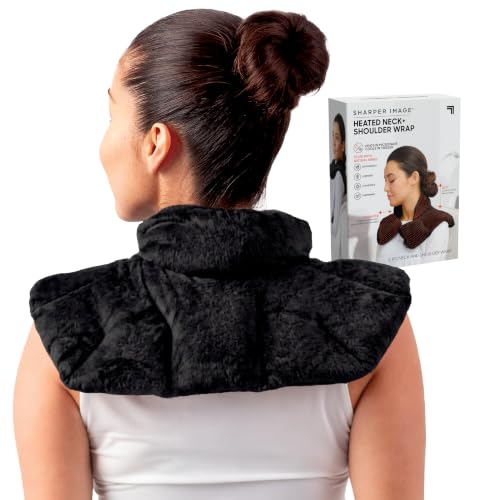
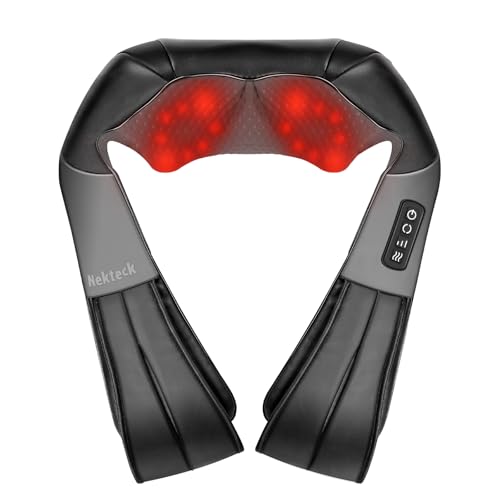
The most useful tools are a firm lap pillow to lift your project toward eye level, a microwavable or plug-in heated neck wrap to loosen tight muscles, and a small massage device for the knots between your shoulder blades. Together they cost under $60 and target the exact spots crochet overworks.
| Product | Best for | Why it wins | Trade-off |
|---|---|---|---|
| Microwavable heated neck wrap | Loosening tight muscles fast | Weighted, molds to your shoulders, no cords | Heat fades after 20-30 minutes |
| Firm lap pillow / bed tray cushion | Raising your project height | Lifts work 4-6 inches so you look down less | Takes up lap space, less mobile |
| Shiatsu neck & shoulder massager | Deep knots after long sessions | Kneads the exact spots crochet tightens | Bulkier, needs a power outlet |
| Adjustable posture corrector | Reminding rounded shoulders to reset | Gentle pull cues you to sit tall | Should be worn short stretches, not all day |
ComfyCrochet recommends starting with the heated neck wrap for anyone who feels the ache mid-session, because warmth relaxes muscles faster than any gadget and it's the cheapest place to start.
Why does crochet strain the neck and shoulders in the first place?
Crochet strains the neck and shoulders because two things happen at once: your head tilts forward to watch your stitches, and your shoulders creep up and round inward as you focus. Hold that still position for an hour and the muscles that support your head and shoulders get no rest, so they cramp and ache.
Think about what your body does when you crochet. Your chin drops toward your chest so you can see the loop on your hook. That's the small tool you pull yarn through to make stitches. Your arms lift slightly and pull in. Your upper back rounds. None of these positions are dangerous for a few minutes. The problem is that crochet is repetitive and absorbing, so you hold the pose far longer than your muscles want to.
The muscle most people feel is the trapezius, a large diamond-shaped muscle that runs from your neck across both shoulders and down your spine. When you look down and hunch, the upper part of that muscle stays contracted the whole time. Physical therapists call this a static load, meaning the muscle works without moving. Static loads tire muscles faster than movement does, which is why you can feel wiped out sitting perfectly still. Beginners often blame their posture entirely, but even good posture held too long will ache.
How do you support the weight of a heavy crochet project?
Support project weight by resting it on a firm cushion or lap pillow instead of your bare thighs, and by pulling only small amounts of yarn at a time rather than dragging the whole piece. Raising the work 4 to 6 inches means you tilt your head down less, and cushioning it stops your shoulders from carrying the load.
Project weight sneaks up on you. A cotton blanket in progress can pass 2 to 3 pounds long before it's finished, and that weight hangs off your hands and forearms, which pulls your shoulders forward and down. The bigger the project grows, the worse it gets, which is exactly why crocheters cut long sessions short without knowing why. A small amigurumi, the stuffed toys made from tight single crochet, weighs almost nothing, so if your neck hurts on a big blanket but not a tiny toy, weight is your culprit.
The simplest fix is a firm pillow across your lap that lifts the whole piece toward you. Some crocheters use a bed tray or a wedge cushion for the same effect. Let the finished part of the blanket pool on a table or the sofa beside you instead of hanging off your knees. Keep only the section you're working near your hands. If you're already managing hand and wrist load too, pair these habits with the support ideas in our guide to compression gloves and wrist supports for crocheters, since easing the hands helps the whole chain up to your shoulders.
Do heat, massage, and recovery tools actually help crochet neck pain?
Heat and massage genuinely help, because most crochet neck pain is tight, overworked muscle rather than injury. Warmth increases blood flow and relaxes the trapezius, while massage breaks up the knots that form from holding one position. A heated neck wrap for 15 to 20 minutes after a session is the single most reliable relief for tired shoulders.
You have three main options, and they suit different situations. A microwavable heated neck wrap is the easiest to start with. You heat it for a minute or two, drape it across your neck and shoulders, and the weight plus the warmth loosens the muscle. It has no cords and costs the least. The downside is that the heat fades after about 20 to 30 minutes. A plug-in electric heating pad shaped for the neck stays warm as long as you want and often has adjustable heat levels, but it tethers you to an outlet.
For deeper relief, a shiatsu neck and shoulder massager uses rotating nodes to knead the muscle, and many models include their own heat. Reviewers consistently report it reaches the spots between the shoulder blades that are hard to press yourself. The Mayo Clinic notes that heat therapy is well suited to chronic muscle tightness, while ice is better for fresh swelling, so for the slow ache that builds over a crochet session, reach for warmth, not cold. Use heat after crocheting, not during, so you're not tempted to keep sitting hunched under a warm wrap.
What habits and breaks prevent neck strain while crocheting?
The habit that prevents the most strain is a simple break every 20 to 30 minutes: set your work down, roll your shoulders back, and lift your chin to look at something across the room for 30 seconds. This resets the muscles before they lock up. Pair it with sitting in a supportive chair rather than slumped on a soft sofa.
Set a timer on your phone if you tend to lose track, because absorbing projects make time vanish. When it goes off, do a quick reset. Drop your shoulders down and back, away from your ears. Gently tuck your chin to lengthen the back of your neck, then look up and side to side. Stand and walk to the kitchen if you can. These 30-second breaks matter more than one long stretch at the end, because they stop the static load before it builds.
Where you sit changes everything. A soft couch lets your lower back collapse, which rounds your upper back and pushes your head further forward. A dining chair with your feet flat on the floor and a small cushion behind your lower back keeps your spine stacked, so your neck has less work to do. Position a lamp so you're not leaning in to see your stitches in dim light, since squinting pulls your head forward too. If you already struggle to see your work, our guide to tools that make stitches visible covers lighting and magnifiers that stop the lean.
What common mistakes make crochet neck and shoulder pain worse?
The biggest mistakes are crocheting in bed propped against pillows, working through pain instead of pausing, and holding your project up in the air with no support. Each keeps your neck bent and your shoulders tense for far too long. Fixing your setup matters more than pushing yourself to finish a row.
Crocheting in bed feels cozy but it's rough on your neck. Propped against a headboard, your chin drops to your chest and stays there, and there's no way to sit tall. If you crochet in bed, at least use a firm wedge pillow behind your back and a lap cushion to lift the work. Another common error is ignoring the first twinge. That early ache is your muscle signaling it needs a rest, and pushing through it turns a two-minute break into a two-day stiff neck.
Beginners also tend to grip everything too hard. A death grip on the hook and yarn tenses your forearms, and that tension travels straight up to your shoulders. Try to hold the hook only as firmly as you'd hold a fork. Finally, don't wear a posture corrector all day thinking more is better. Physical therapists recommend short stretches so the brace cues your muscles without letting them get lazy. Twenty to thirty minutes at a time is plenty to remind your shoulders where they belong.
Step-by-step: set up a crochet spot that saves your neck
- Sit in a firm chair with your feet flat on the floor, not sunk into a soft couch.
- Put a small cushion behind your lower back to keep your spine stacked upright.
- Rest a firm lap pillow across your thighs and set your project on it to raise the work 4 to 6 inches.
- Let the finished part of a big project pool on a table beside you, not hang off your knees.
- Set a timer for 25 minutes. When it rings, drop your shoulders, tuck your chin, and look across the room for 30 seconds.
- Position a lamp so you can see your stitches without leaning in.
- After the session, drape a heated neck wrap across your shoulders for 15 to 20 minutes.
- If knots stay tight, use a shiatsu massager on the spots between your shoulder blades.
Which pick suits which crocheter?
If you're on a tight budget and just starting to feel the ache, begin with a microwavable heated neck wrap. It's the cheapest option and relaxes tired muscles reliably. If your pain shows up on big blankets, a firm lap pillow is the better first buy because it fixes the weight and height problem at the source. Crocheters with deeper, chronic tightness between the shoulder blades get the most from a shiatsu massager with built-in heat. And if you catch yourself constantly rounding forward, a posture corrector worn in short stretches gives your shoulders a gentle reminder while you build the habit of sitting tall.

